ETHICAL AI DILEMAS
Boost AI literacy and ethical awareness of AI in healthcare with 13 thought-provoking scenarios
co-designed by clinicians, developers, and patients
to inspire critical reflection.
Perfect for impactful Patient and Public Involvement and Engagement (PPIE).
REFLECT
RETHINK
REACT
EXPLORE
EVALUATE
ETHICISE
Each card presents:
1 real-world scenario
illustrating an ethical challenge of AI in healthcare
2 reflective questions
to provoke critical thinking and discussion
4 key AI concepts
linked to the scenario, from our AI Dictionary
1St
scenario
2nd
scenario
What could happen if a tool like this isn’t fair?
3rd
scenario
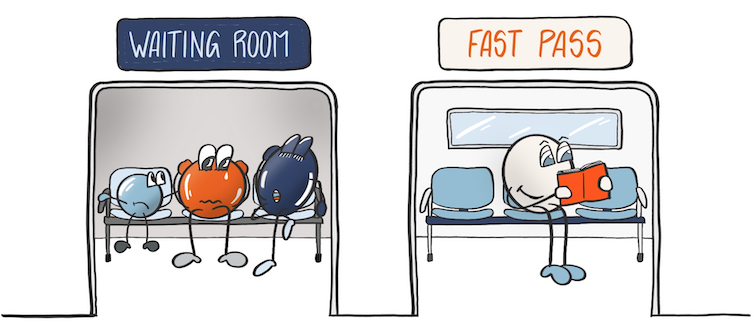
Is it okay for an AI to make all the big health choices?
Should a real person always check what the AI says?
4th
scenario
Should we care about the Earth when picking AI?
5th
scenario
6th
scenario
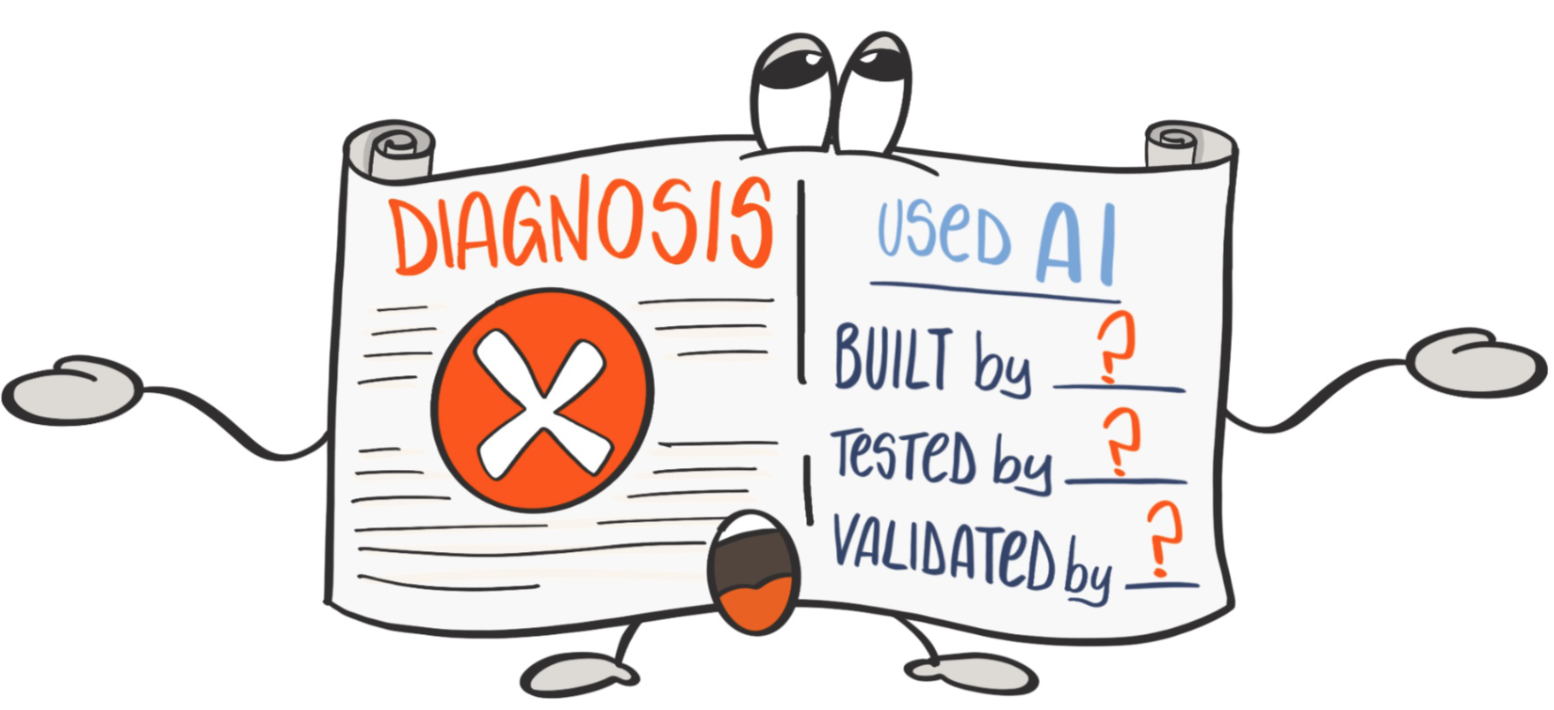
Who should be in charge when the AI makes a mistake?
What should people check before using AI to help real patients?
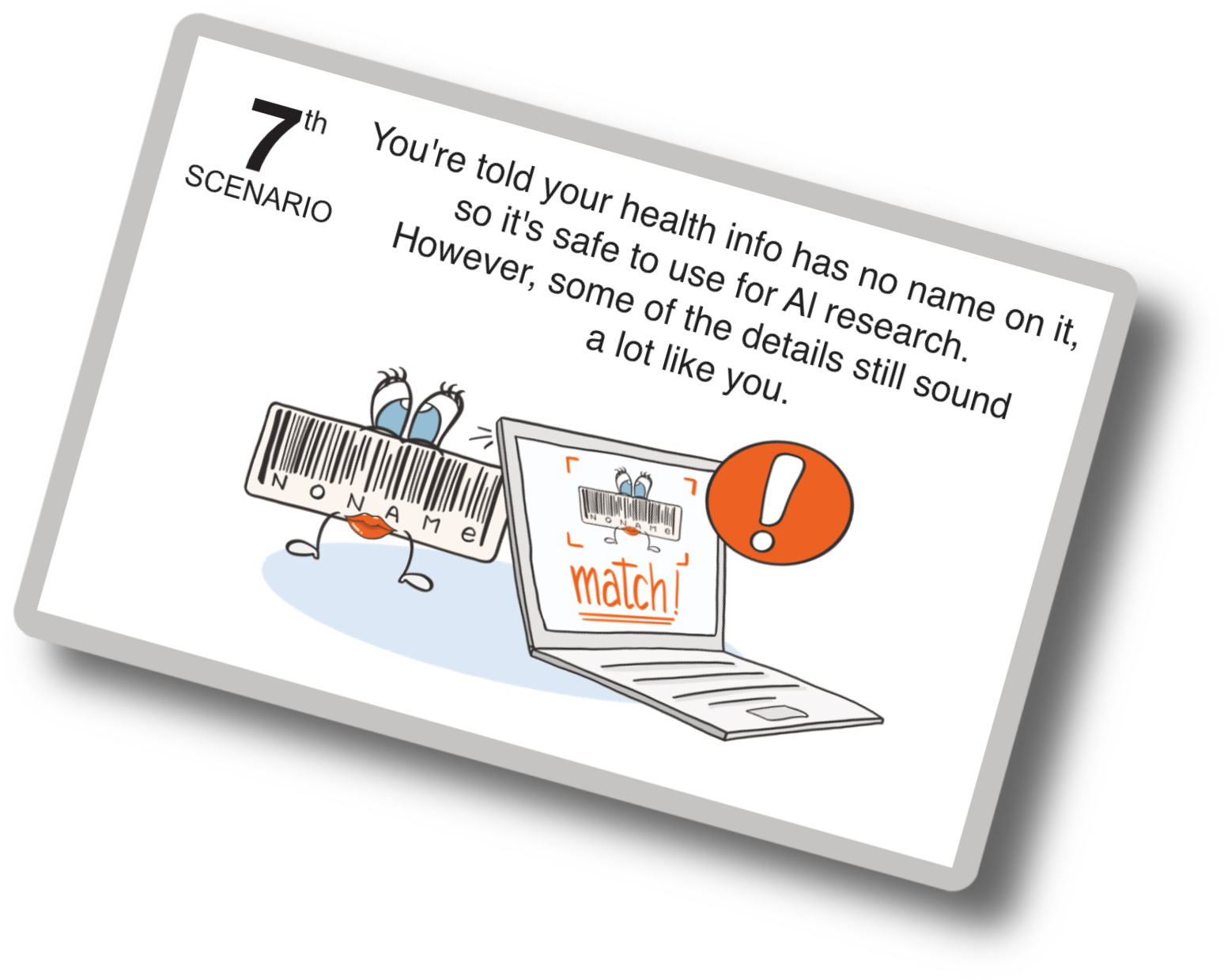
7th
scenario
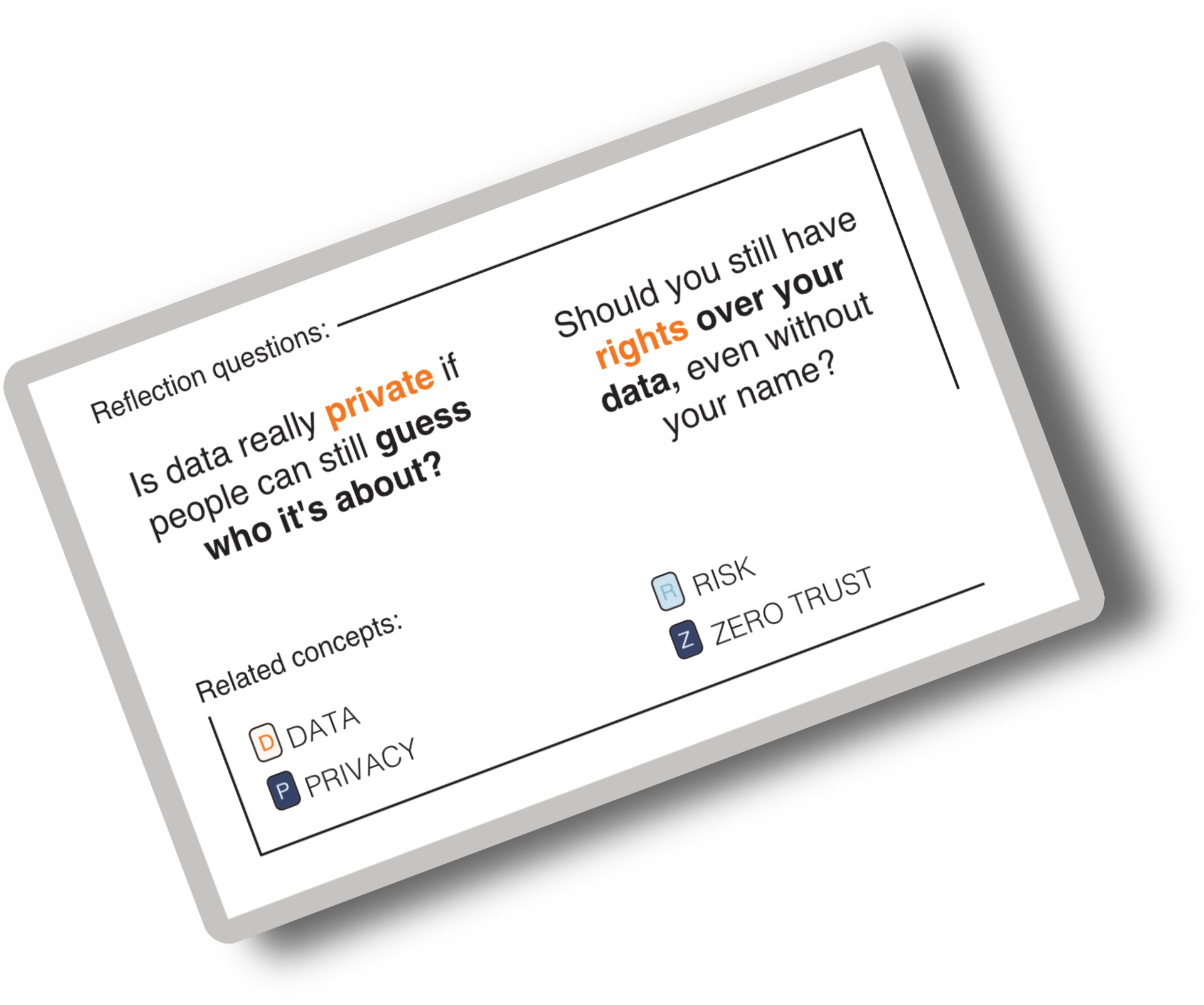
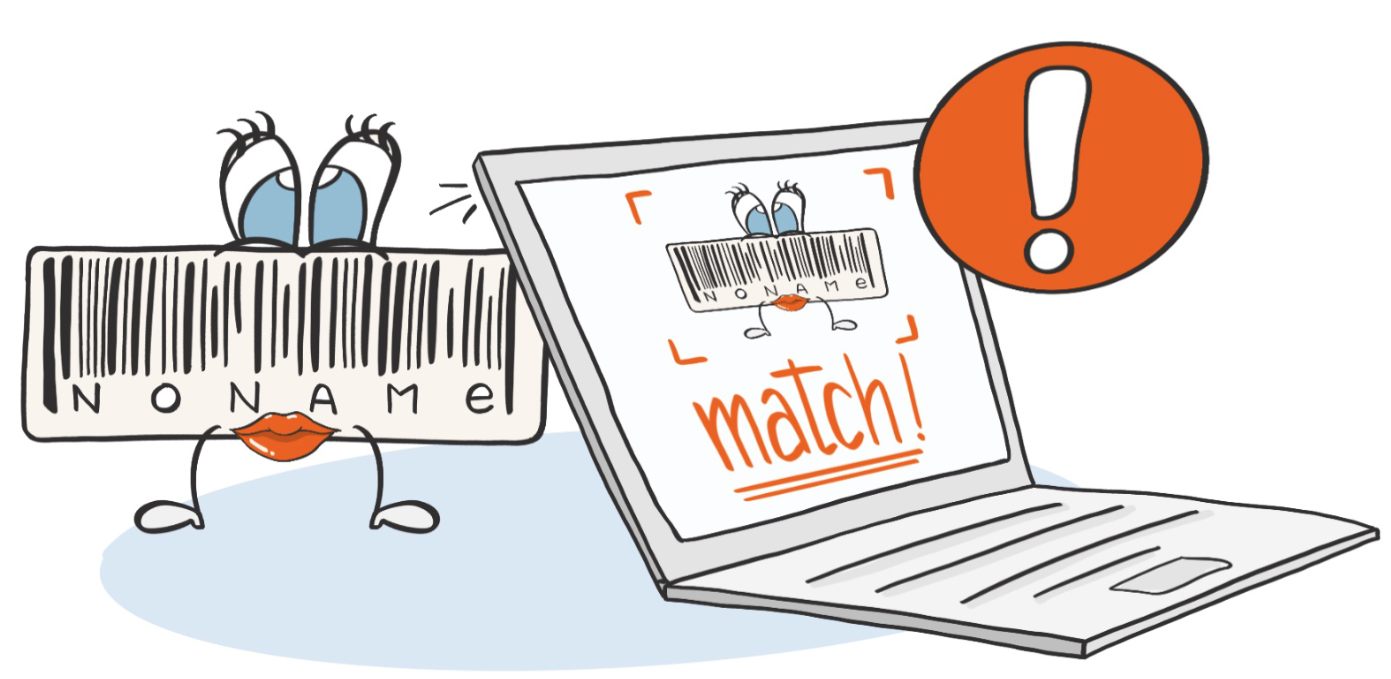
Is data really private if people can still guess who it’s about?
Should you still have rights over your data, even without your name?
8th
scenario
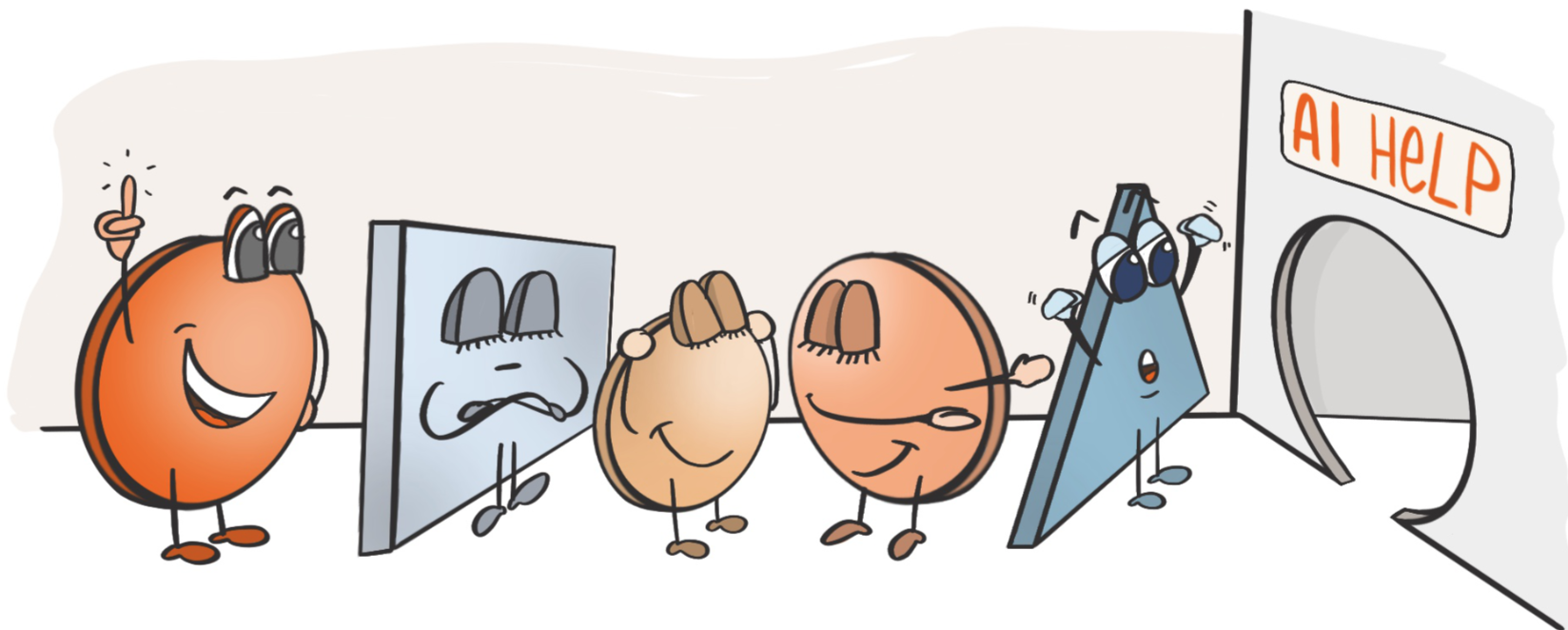
An AI helps most people, but it doesn’t work well for patients who speak less common languages. No one is checking if that’s a problem.
Who should make sure AI works for everyone?
How can we find problems early, before someone gets hurt?
9th
scenario
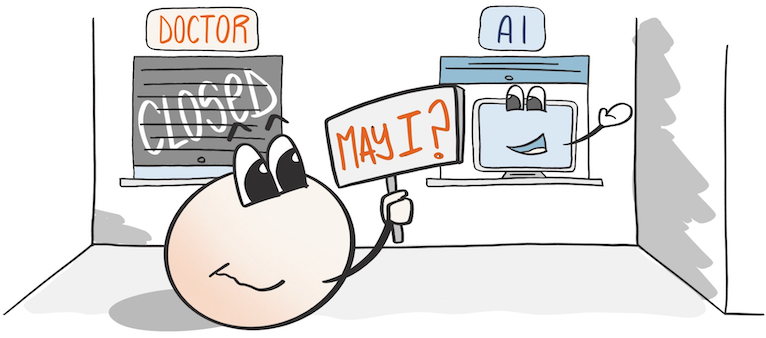
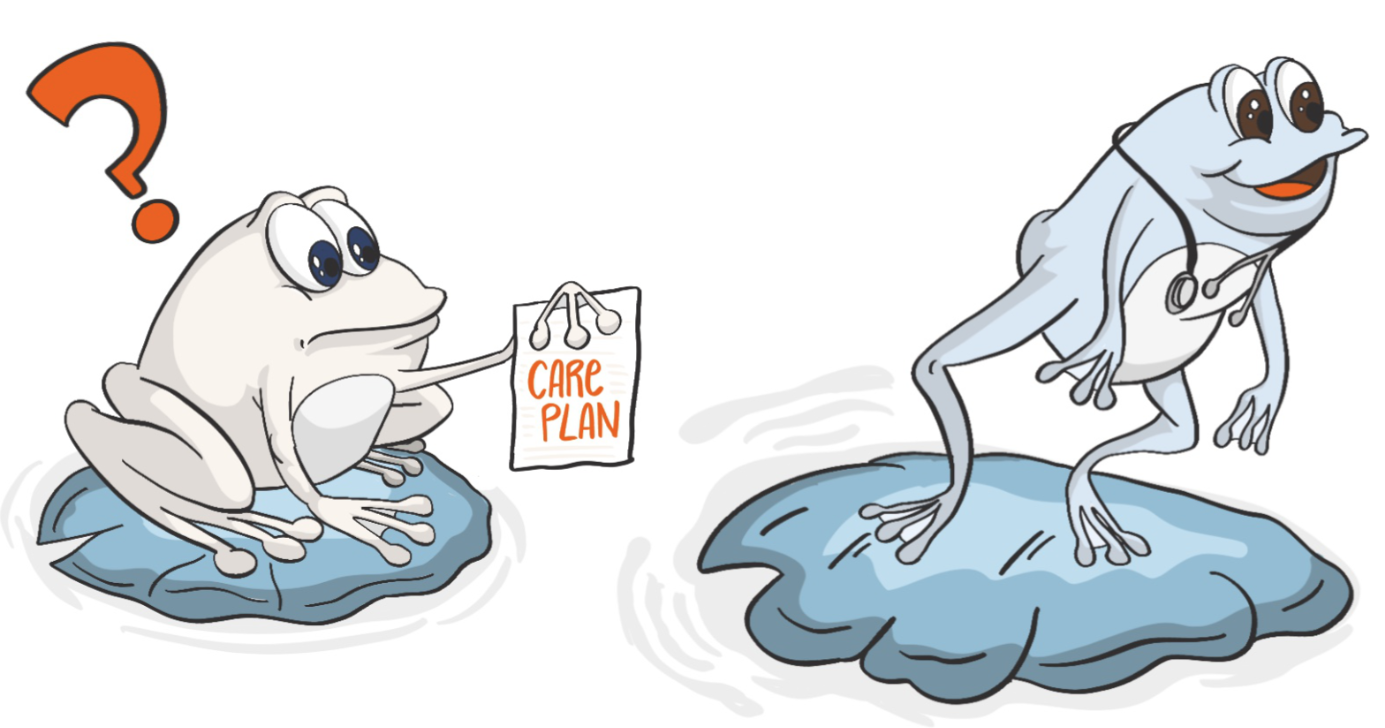
Your doctor gives you a care plan created with the help of an AI. It goes against what you believe is right. You try to speak, but no one asks you what you want.
Should doctors listen to both you and the AI?
How can we make sure people’s stories still matter?
10th
scenario
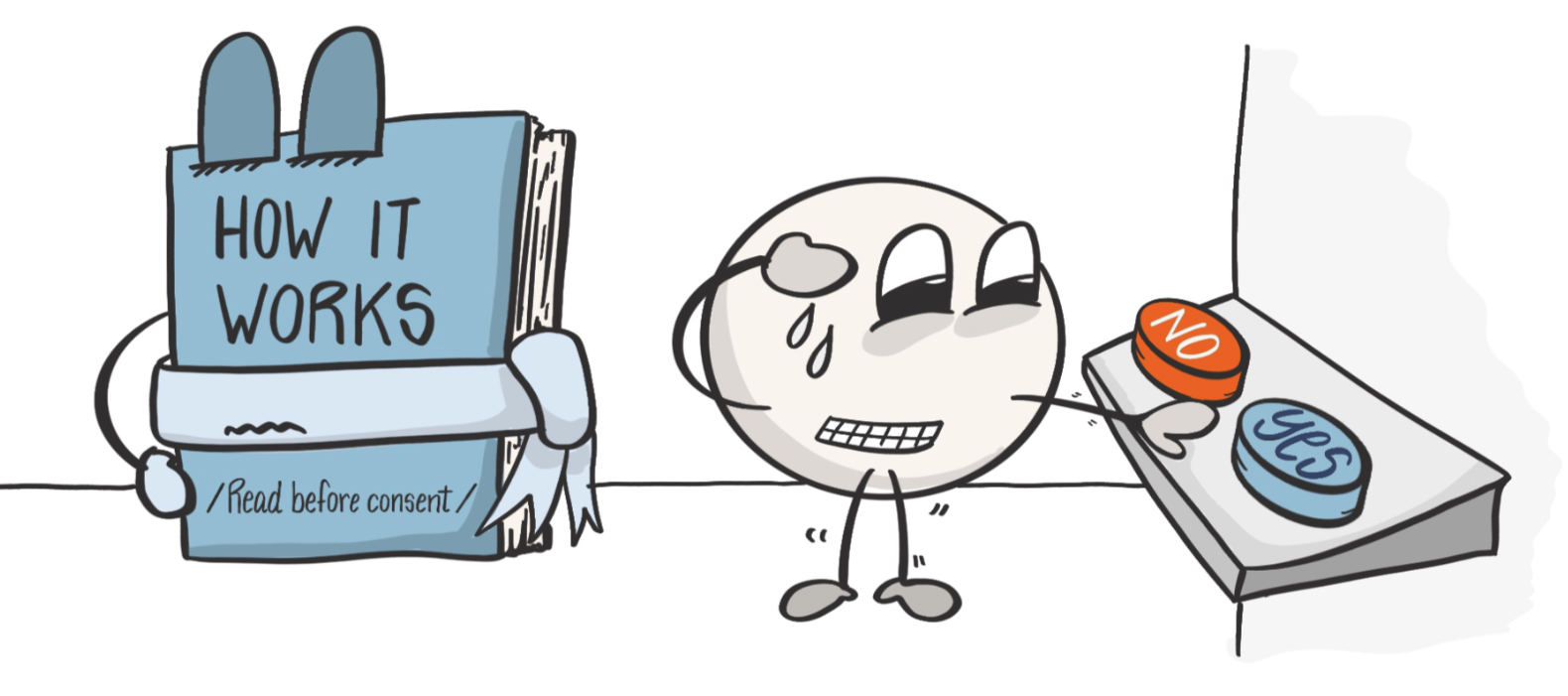
The doctor tells you that an AI can help decide if you need surgery. You don’t understand how it works, but they still ask you to say yes or no.
Why is it important to learn how AI works when it helps with your health?
What could happen if people just say yes to AI without asking questions?
11th
scenario
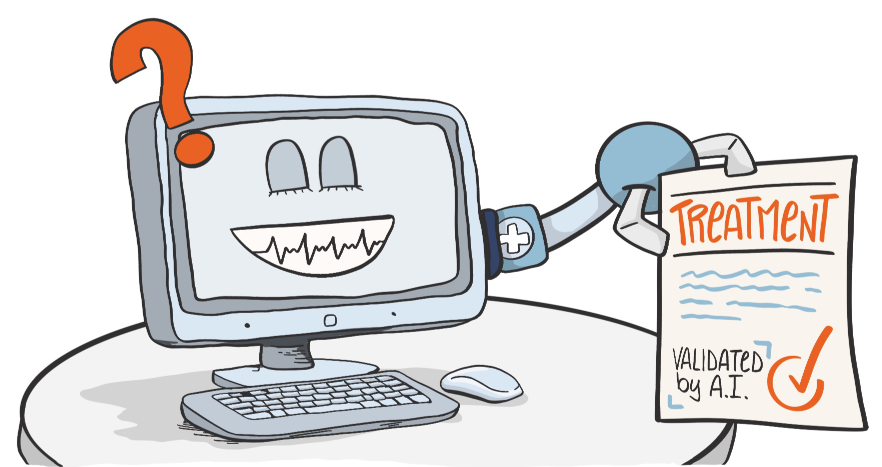
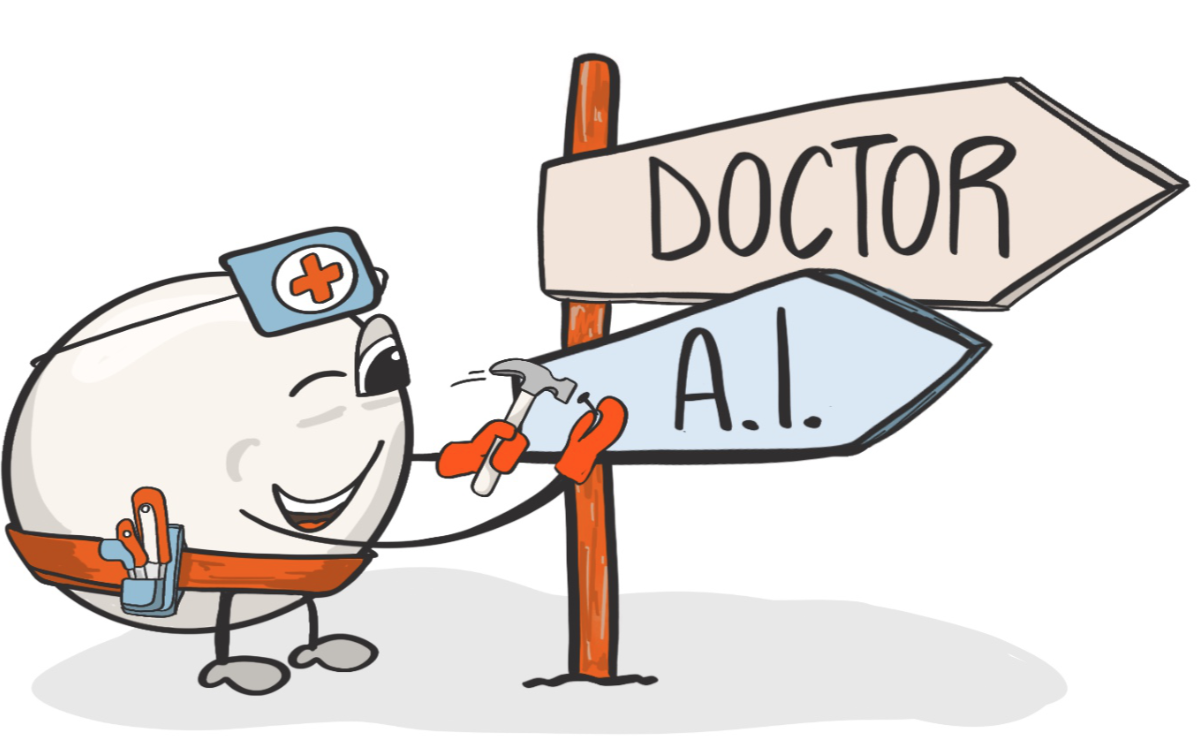
The AI says you should get a strong medicine. But your doctor thinks you don’t need it and that it might even make you feel worse.
Should your doctor be able to choose what they think is best for you?
Why is it important that people, not just computers, make health decisions?
12th
scenario
The AI says you need a special test. Your doctor listens to the AI but also thinks about your feelings and what you tell them.
What things would help you and the doctor trust the computer? Maybe if it has lots of good information or if people check its answers?
Why is it important that doctors, computers and you collaborate before making a choice?
13th
scenario
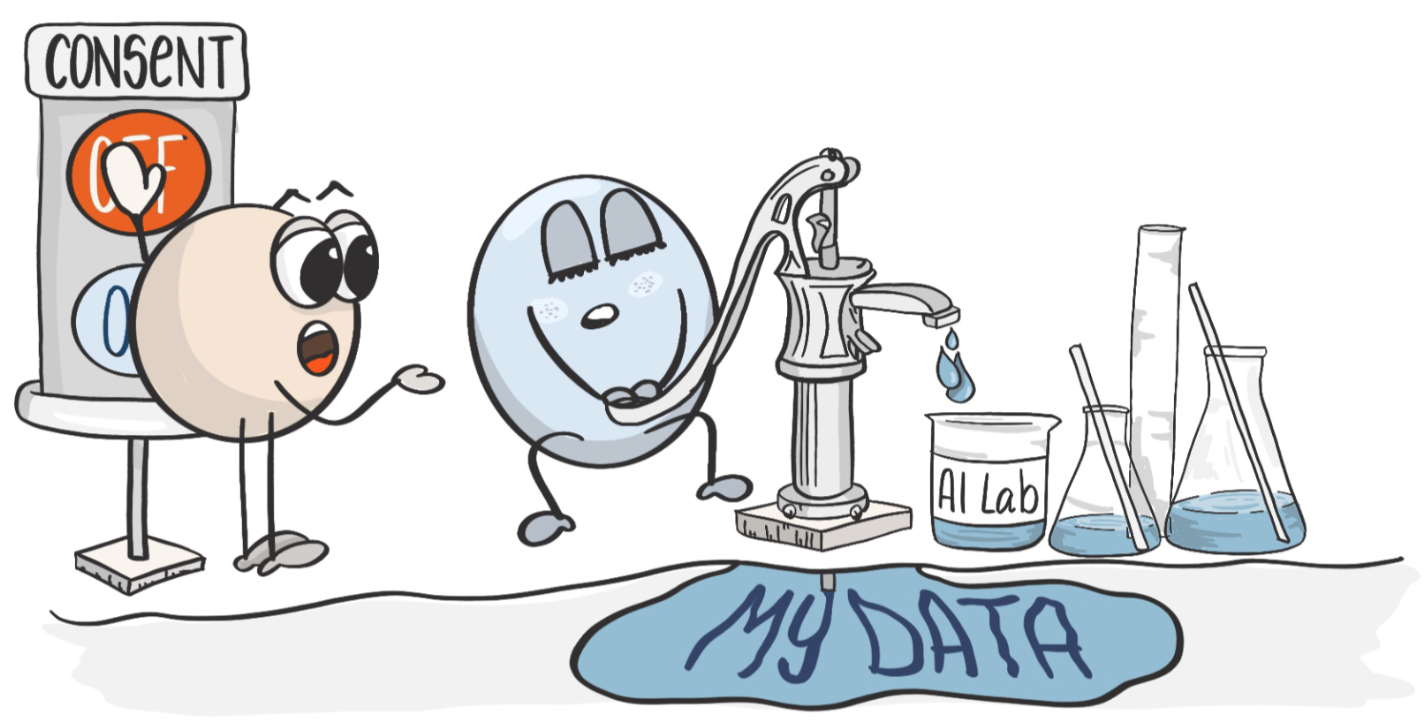
Your health data is used in a study to help an AI learn how to find early signs of asthma. But no one tells you this, and no one asks if you’re okay with it.
How would you feel if your information was used without asking you first?
Why is it important to be asked and understand before saying yes?